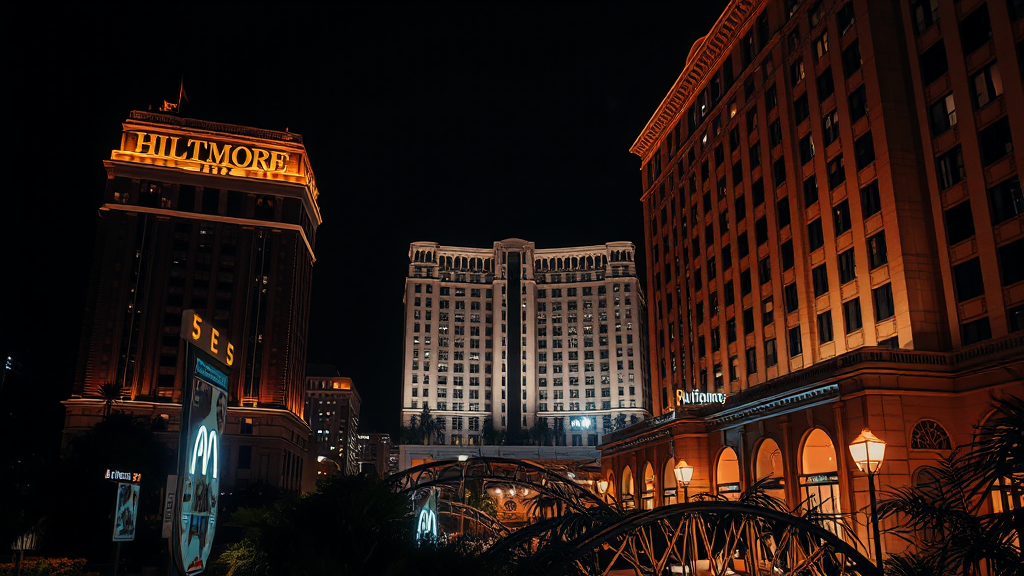
The Art of Timeless Hospitality: Lessons from Iconic Hotel Stays
Hospitality is more than just a service; it is an art form that transforms a simple stay into a lasting memory. In an era where travelers seek authentic experiences and genuine connections, the principles of timeless hospitality have never been more relevant. Whether you are a frequent globetrotter or a weekend adventurer, understanding what makes a hotel truly exceptional can elevate your journeys. This article explores the core elements of outstanding hospitality, drawing inspiration from enduring establishments that have mastered the craft. From personalized service to thoughtful design, we delve into the lessons that define the gold standard of guest experiences.
The Foundation of Exceptional Guest Experiences
At the heart of every great hotel lies a commitment to creating an environment where guests feel valued and cared for. This foundation is built on attentive service, attention to detail, and a genuine desire to exceed expectations. Hotels that have stood the test of time, such as those that embody the spirit of thebiltmorehotels, understand that hospitality begins long before a guest checks in. It starts with a warm welcome, a seamless booking process, and a sense of anticipation that sets the tone for the entire stay.
One key lesson is the importance of consistency. Renowned properties maintain high standards across every touchpoint, from the cleanliness of the rooms to the quality of the dining. They train their staff to anticipate needs without being intrusive, offering a level of service that feels both professional and personal. This balance is critical; guests want to feel looked after, but also respect their privacy. The most memorable stays often come from small gestures—a handwritten note, a favorite snack left in the room, or a recommendation for a hidden local gem. These touches create emotional connections that turn a one-time visitor into a loyal patron.
Designing Spaces That Inspire and Comfort
The physical environment of a hotel plays a pivotal role in shaping the guest experience. Thoughtful design goes beyond aesthetics; it considers functionality, comfort, and the emotional impact of space. Iconic hotels often feature architecture that reflects their locale, blending local culture with modern amenities. This approach not only delights guests but also provides a sense of place that enriches their travel narrative.
Lighting, textures, and color palettes are carefully chosen to evoke relaxation and warmth. Public areas like lobbies and lounges are designed to encourage social interaction while also offering quiet corners for reflection. Guest rooms are sanctuaries where every element—from the bed linens to the bathroom fixtures—has been selected for quality and comfort. Technology is integrated subtly, enhancing convenience without overwhelming the senses. For instance, smart controls for lighting and temperature allow guests to customize their environment, while high-speed internet is a given. The goal is to create a space that feels both luxurious and livable, where guests can unwind and recharge.
Culinary Excellence as a Cornerstone of Hospitality
Food and beverage offerings are often the most memorable part of a hotel stay. Exceptional dining experiences can define a property, drawing both guests and locals alike. The best hotels treat their restaurants as destinations in their own right, with menus that showcase local ingredients and culinary innovation. Breakfast, in particular, is a critical moment—it sets the tone for the day and offers an opportunity to impress with variety and quality.
Beyond the food itself, service in the dining room must be impeccable. Knowledgeable staff can guide guests through the menu, accommodate dietary restrictions gracefully, and create a relaxed yet refined atmosphere. Some hotels go a step further by offering cooking classes, chef’s tables, or wine tastings, turning a meal into an interactive experience. This focus on culinary excellence not only satisfies hunger but also deepens the guest’s connection to the destination, making the stay more meaningful.
The Role of Personalization in Modern Hospitality
In today’s competitive landscape, personalization is no longer a luxury—it is an expectation. Guests want to feel that their preferences are recognized and valued. Hotels that excel in this area use data thoughtfully, tracking past stays, favorite room types, and dietary needs to tailor each visit. However, personalization goes beyond data; it requires genuine attentiveness from staff who are empowered to make decisions on the spot.
For example, a hotel might remember that a returning guest prefers a high floor with a city view, or that they have a allergy to certain materials. They might prepare a welcome amenity that reflects the guest’s interests, such as a book by a local author or a map of nearby running trails. This level of care shows that the hotel sees the guest as an individual, not just a booking number. It also builds trust and loyalty, encouraging guests to return and recommend the property to others.
Sustainability and Responsible Tourism
Modern travelers are increasingly conscious of their environmental impact, and hotels are responding with sustainable practices that do not compromise on quality. From reducing single-use plastics to sourcing local and organic products, eco-friendly initiatives are becoming standard. Some hotels go further by investing in renewable energy, water conservation systems, and community outreach programs. These efforts resonate with guests who want to travel responsibly, and they often enhance the overall experience by connecting visitors with the local environment and culture.
Sustainability also extends to preserving historical architecture and supporting local artisans. Hotels that incorporate traditional crafts and materials into their design help keep heritage alive while offering guests a unique, authentic experience. By choosing to stay at such properties, travelers contribute to the well-being of the destination, creating a positive cycle that benefits everyone involved.
Building a Culture of Service Excellence
Behind every great hotel is a team of dedicated professionals who take pride in their work. The culture of service excellence starts with leadership and is reinforced through training, recognition, and empowerment. Employees are the face of the hotel, and their attitude can make or break a guest’s experience. The best hotels invest heavily in their staff, providing ongoing education, competitive benefits, and a supportive work environment.
When staff feel valued, they are more likely to go the extra mile for guests. This might mean remembering a guest’s name, offering a complimentary upgrade, or handling a complaint with grace and efficiency. A strong service culture also encourages teamwork, so that when a guest has a request, every employee is ready to help, regardless of their role. This seamless collaboration creates a polished, effortless experience that guests appreciate and remember.
FAQs
What makes a hotel stay truly memorable?
A memorable hotel stay is often the result of a combination of factors: exceptional service, comfortable and well-designed accommodations, quality dining, and personalized touches that make guests feel special. Small gestures, like a welcome note or a recommendation for a local activity, can leave a lasting impression.
How can hotels balance luxury and sustainability?
Hotels can balance luxury and sustainability by adopting eco-friendly practices that do not sacrifice quality. This includes using energy-efficient systems, sourcing local and organic products, reducing waste, and offering amenities that are both luxurious and environmentally responsible. Many guests appreciate these efforts and see them as part of a premium experience.
Why is personalization important in hospitality?
Personalization shows guests that the hotel values them as individuals, which builds loyalty and encourages repeat visits. It involves remembering preferences, anticipating needs, and creating tailored experiences that go beyond standard offerings. In a crowded market, personalization is a key differentiator.
What role does staff training play in guest satisfaction?
Staff training is crucial because it ensures that employees have the skills and knowledge to provide excellent service. Well-trained staff are more confident, attentive, and capable of handling a variety of situations, from routine requests to unexpected issues. A strong training program also reinforces the hotel’s values and service standards.
How can travelers identify hotels that prioritize genuine hospitality?
Travelers can look for signs of genuine hospitality in reviews, awards, and the hotel’s own communications. Properties that emphasize staff stories, community involvement, and personalized service are often good bets. Additionally, reaching out to the hotel before booking with specific questions can reveal how responsive and attentive they are.
For readers who want to learn more about thebiltmorehotels, it helps to compare different approaches, read expert opinions, and consider how the topic fits into the broader general landscape.
Another key aspect of thebiltmorehotels is understanding how it relates to other topics in the same field. Many experts recommend starting with a clear overview before diving into specific techniques or strategies.